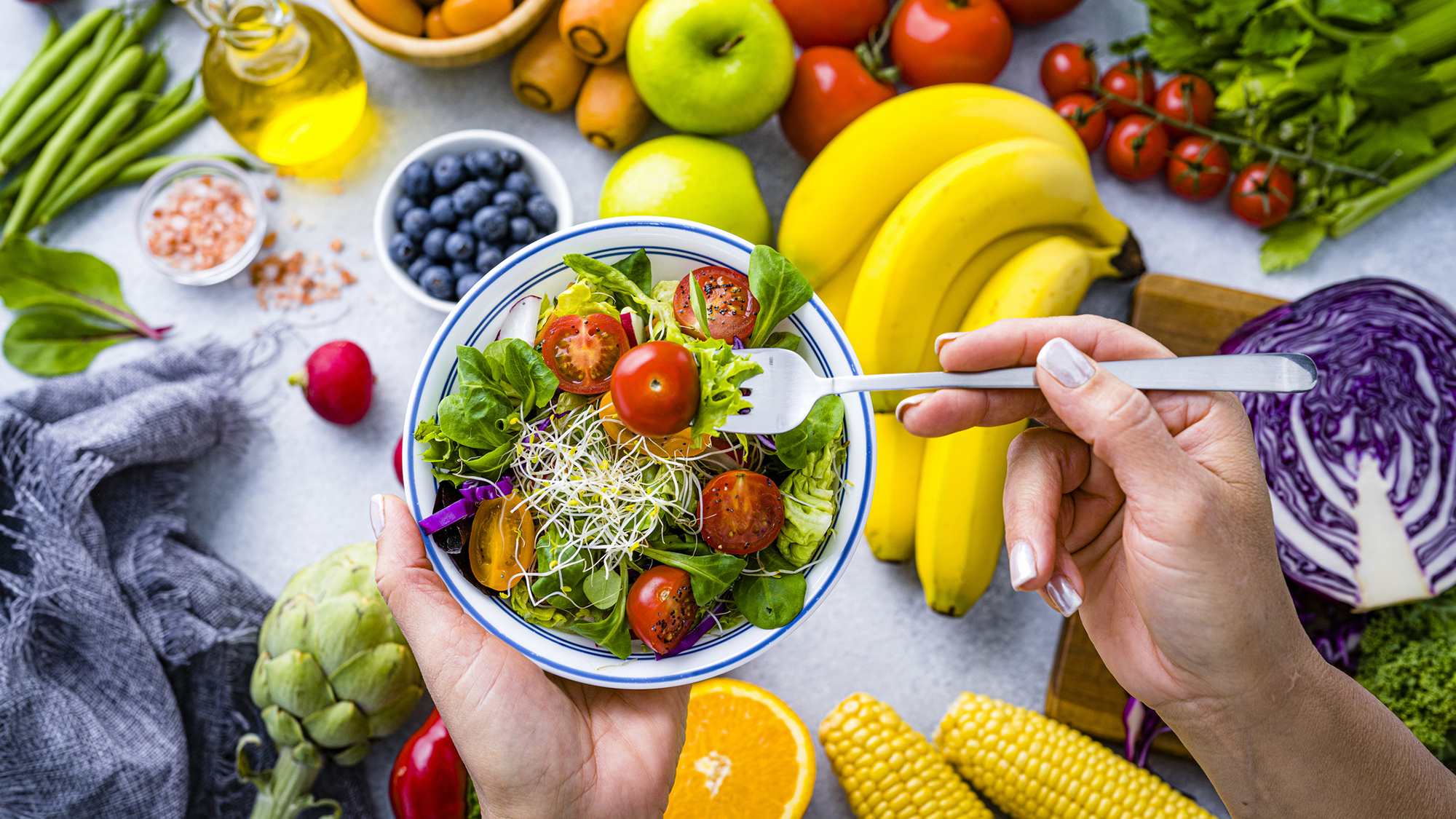
Doctors constantly talk about the benefits of fiber—it is irreplaceable for those watching their figure, digestion, and sugar levels. But how can you tell if you are consuming enough? We found out what daily amount of fiber is needed and which foods will help replenish the deficit effortlessly. Nutritious foods containing the maximum fiber are listed What is fiber and why is it so necessary? Fiber is a type of carbohydrate from plant fibers that the body cannot digest. While most carbohydrates break down into glucose molecules, fiber passes through the digestive tract without being digested. There are two main types of fiber—soluble and insoluble—and both are critically important for health: Soluble fiber dissolves in water to form a gel-like mass. In the large intestine, it serves as food for beneficial microorganisms, supporting the health of the microflora. Insoluble fiber absorbs moisture and binds with other substances. This promotes the formation of soft and bulky stool, ensuring regular bowel movements and normal intestinal function. How fiber benefits the body: Supports digestion: It increases the volume of intestinal contents and softens stool, helping to prevent constipation and diarrhea. Lowers “bad” cholesterol: Soluble fiber binds cholesterol and bile acids in the intestine, preventing their absorption, which lowers LDL levels. Normalizes blood sugar levels: It slows down carbohydrate processing and absorption, avoiding sharp glucose spikes. Protection against chronic diseases. A diet rich in fiber is associated with a lower risk of cardiovascular problems, high blood pressure, type 2 diabetes, obesity, stroke, and colon cancer. Body weight regulation: It promotes a longer feeling of fullness, reduces cravings, and makes portion control easier. Soluble fiber slows down fat absorption, while insoluble fiber improves water balance and gut function. How much fiber is required and where to get it To maintain health, an adult should consume about 30 grams of fiber daily. However, the average resident of Russia eats half that amount—only about 12–15 grams. There are recommendations that distribute the need for fiber by gender and age: Women aged 19 to 30 are advised about 28 grams of dietary fiber per day, ages 31 to 50—25 grams, and after 51—22 grams. Men require slightly more: aged 19–30—approximately 34 grams, ages 31 to 50—31 grams, and after 51—about 28 grams per day. The most accessible and obvious sources of fiber are fruits and vegetables. However, its concentration varies greatly in different foods. For example, common cucumbers and tomatoes contain little fiber, while cabbage, broccoli, carrots, and beets contain significantly more. Even more fiber is found in legumes, whole grains, and nuts. Modern vegetables vs. supplements: what is better How much to consume to reach the norm To understand how easily you can meet your daily fiber requirement, it is helpful to recalculate its content in familiar foods. Let’s look at the most common fruits, vegetables, and grains found in almost every home. Fruits Bananas contain about 2.6 g of fiber per 100 g. To get 30 g, you need to consume approximately 1.1 kg (5–6 medium bananas). Apples (with skin) contain about 2.4 g per 100 g. To get 30 g, about 1.25 kg (5–6 apples) are required. Oranges contain approximately 2.4 g per 100 g. To get 30 g, you need about 1.25 kg (5–6 oranges). Tangerines contain about 1.8 g per 100 g. To get 30 g, approximately 1.65 kg (8–10 tangerines) will be required. Vegetables Cucumbers—approximately 0.7 g per 100 g. To get 30 g, you need to eat about 4.3 kg. Tomatoes—about 1.2 g per 100 g; to get 30 g, you need approximately 2.5 kg. Cabbage—about 3 g per 100 g; to get 30 g, approximately 1 kg will be required. Carrots—about 2.8 g per 100 g; to get 30 g, you need approximately 1.1 kg. Boiled potatoes (peeled)—about 1.8 g per 100 g; to get 30 g, you will need approximately 1.65 kg. Grains and Legumes Slow-cooked oatmeal—about 10 g per 100 g of dry groats; to get 30 g, you need to consume approximately 300 g. Buckwheat—about 8 g per 100 g of dry groats; to get 30 g, approximately 375 g are required. Red beans—6.4 g per 100 g cooked; to get 30 g, approximately 470 g are necessary. Lentils—8 g per 100 g of boiled lentils; to get 30 g, you need approximately 375 g. Peas—4 g per 100 g of canned green peas; to get 30 g, 750 g will be required. Nuts Almonds—12.5 g per 100 g. To get 30g of fiber from almonds, approximately 8–9 handfuls are needed. Walnuts—6.7 g per 100 g. To get 30g of fiber from walnuts, about 16 handfuls are needed. Hazelnuts—10 g per 100 g. To get 30g of fiber from hazelnuts, approximately 11 handfuls will be required. Pistachios—11 g per 100 g. To get 30g of fiber from pistachios, about 10 handfuls are needed. As you can see, reaching the daily norm by consuming only one product is quite difficult. This is why it is important to build a varied diet, combining fruits, vegetables, grains, legumes, and nuts. You should include sources of fiber in every meal, and then this task will cease to seem insurmountable. For example, for breakfast, eat 50 g of oatmeal with an apple and a small handful of almonds; for lunch—60 g of buckwheat with carrots and cabbage salad; for a snack—a banana and a handful of hazelnuts; and for dinner—50 g of boiled beans with a vegetable salad of cucumbers and tomatoes. These 17 foods reduce blood sugar levels The Gist Fiber is a significant component of a healthy diet. It consists of plant fibers that the body does not digest: soluble fiber nourishes beneficial gut bacteria, while insoluble fiber helps form bulky and soft stool. It supports gastrointestinal function, lowers “bad” cholesterol levels, improves carbohydrate absorption, reduces the risk of chronic diseases, and helps maintain a feeling of fullness longer. To consume enough of it, it is important to include various foods in your diet—fruits, vegetables, grains, legumes, and nuts—and add fiber to every meal. Then replenishing the daily norm becomes simple and achievable.
About the Author


