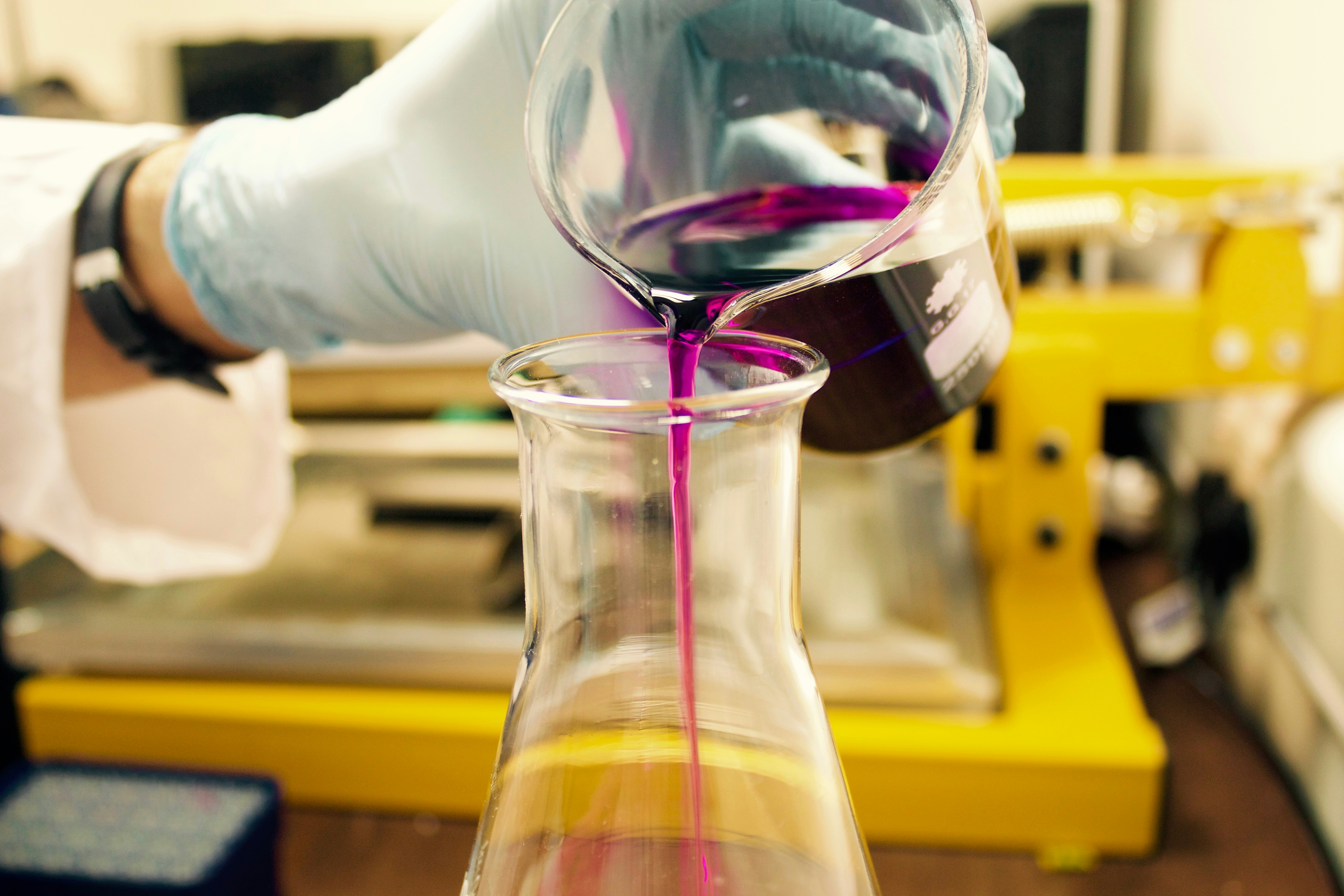
The work of Professor Indranil Mitra’s team from the Center of Excellence in Oncology Cure, Study, and Teaching in Mumbai is dedicated to the effect of copper and resveratrol on glioblastoma—the most common and aggressive malignant brain tumor. The material was published in BJC reports. Conventional treatment methods—chemotherapy, radiation therapy, and immunotherapy—eliminate cancer cells. However, Mitra’s team’s research proposes not destroying the tumor but restoring it. This concept belongs to Harold Dvorak, who articulated it in 1986. In the recent study, glioblastoma patients took pills with low doses of resveratrol and copper four times a day for approximately 11 days before their scheduled surgery. The placebo group did not use the supplements. During the procedure, specialists extracted brain tissue samples from all participants. The concentration of the Ki-67 protein, a marker for glioblastoma growth, was significantly reduced in the samples from the supplement group compared to the control group. Furthermore, in the treated samples, the levels of nine oncomarkers decreased by an average of 57%. And the levels of six immune system proteins that suppress the attack on cancer cells dropped by 41%. Previous research by Mitra’s team demonstrated that free radicals generated by the combination of resveratrol and copper inactivate or destroy cfChP. These are circulating cell-free chromatin fragments (cfChP)—DNA debris from cancer cells that enhance the activity of the remaining living cells. cfChP were virtually absent in the tissues taken from patients in the supplement group. Dying cancer cells were cleared from the body through natural death before they could release cfChP. Despite the small sample size, the results are impressive. Scientists plan to test them on a larger group of subjects in the future. Resveratrol is a polyphenol with strong antioxidant and anti-inflammatory effects. It can protect blood vessels, influence cognitive abilities, and metabolism. Copper is essential for many bodily processes. In particular, it is involved in iron absorption and the function of enzymes that produce red blood cells.
About the Author