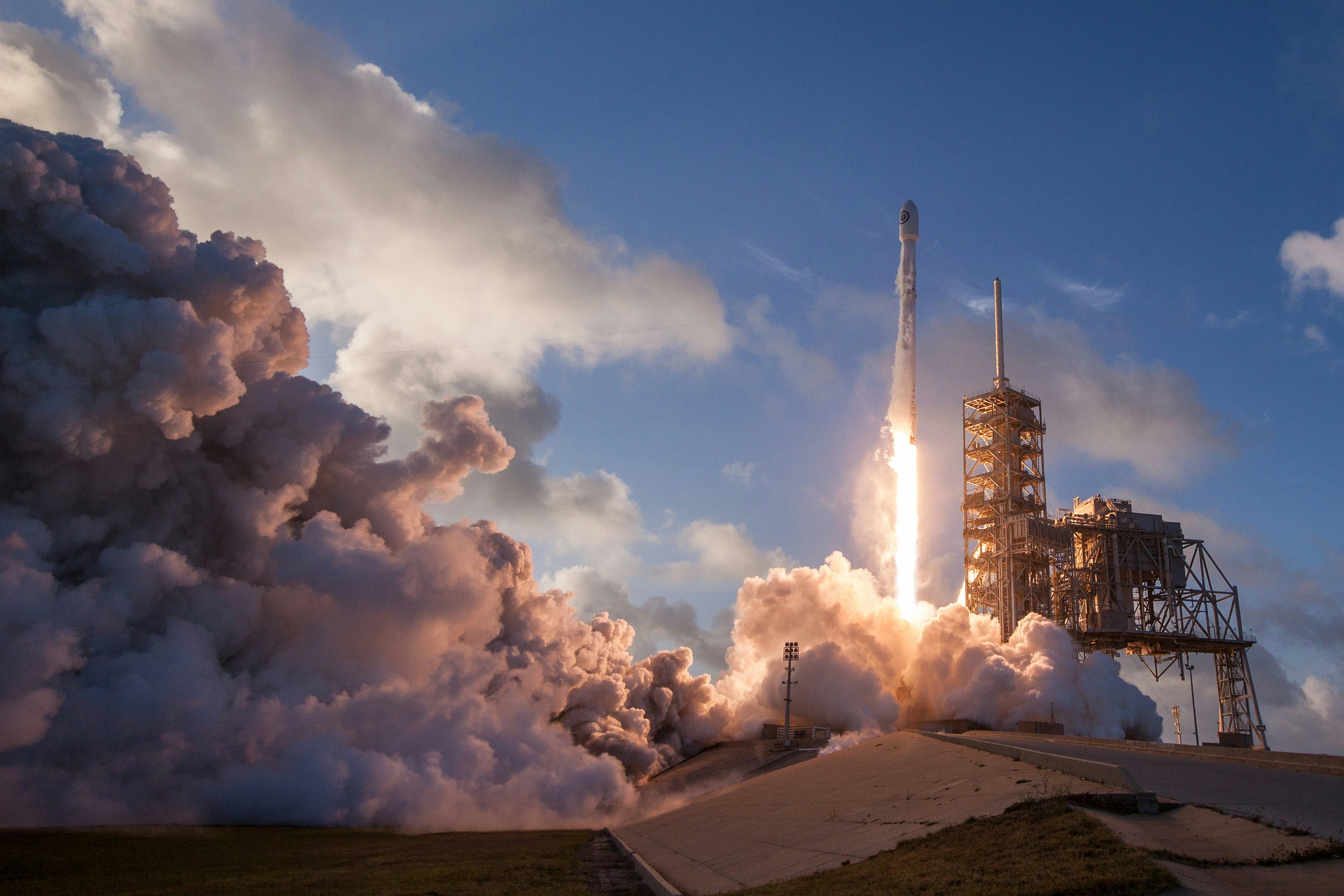
During the first ten months of 2025, an unprecedented number of geomagnetic fluctuations were recorded in Earth’s magnetosphere, reaching a mark of 130 occurrences. While this information is of particular interest to astrophysicists, the question arises as to how significant this phenomenon is for ordinary people and how much these changes in Earth’s magnetic field can affect our health.
The first winter magnetic storm occurred on December 3rd. Specialists from the Laboratory of Solar Astronomy of the Space Research Institute of the Russian Academy of Sciences predicted that the disturbances would not exceed the G2 level, but ultimately the storm intensified to G3 by December 4th. This was caused by a combination of factors, including the impact of a coronal hole on the Sun and a plasma ejection following a powerful X-class flare on December 1st. Full stabilization of the geomagnetic situation is expected by the end of the week due to the size of the coronal hole.
According to forecasts, the next notable events are expected on December 23rd and 30th, when weak magnetic storms are predicted. Periods with an “excited” magnetosphere, which can be felt by particularly sensitive individuals, are also noted on December 1st, 5th, 21st, 22nd, 24th, 27th, 29th, and 31st. Scientists emphasize that the most accurate forecasts are only possible for the next three days.
A magnetic storm is a serious disturbance of Earth’s magnetic field caused by solar wind. A five-point G scale is used to assess the strength of a storm, ranging from minor (G1) to extreme (G5) events.
Despite disagreements within the scientific community, doctors identify at-risk groups that are most vulnerable during periods of unstable space weather: people with chronic cardiovascular and nervous system diseases, diabetes, respiratory illnesses, and the elderly.
Doctors recommend monitoring blood pressure, avoiding stress and overexertion, abstaining from alcohol and energy drinks, drinking more water, having necessary medications on hand, and maintaining a regular sleep schedule.
About the Author