
Компания Quantum Space получила контракт Министерства обороны США (Пентагон) на разработку демонстрационного космического аппарата-заправщика. Разработка станет первом в своём роде орбитальном «топливном депо», способным заправлять действующие спутники прямо на орбите.
Проект основан на платформе Ranger — универсальном космическом аппарате Quantum Space, который компания планирует использовать для задач от низкой околоземной орбиты до геостационарной и пространства между Землёй и Луной, рассматриваемое как будущая область активной космической инфраструктуры.
Сейчас практически все спутники имеют жёсткий эксплуатационный предел — запас топлива. Когда он заканчивается, аппарат теряет способность корректировать орбиту, избегать столкновений с космическим мусором или менять позицию для наблюдения. Даже при полностью исправных системах спутник становится неработоспособным, что особенно критично для военных и разведывательных аппаратов.
Для решения этой проблемы Космические силы США в последние годы активно финансируют технологии продления срока службы спутников и дозаправки на орбите, хотя общий бюджет исследований пока остаётся относительно небольшим — около $16 млн долларов за 5 лет.
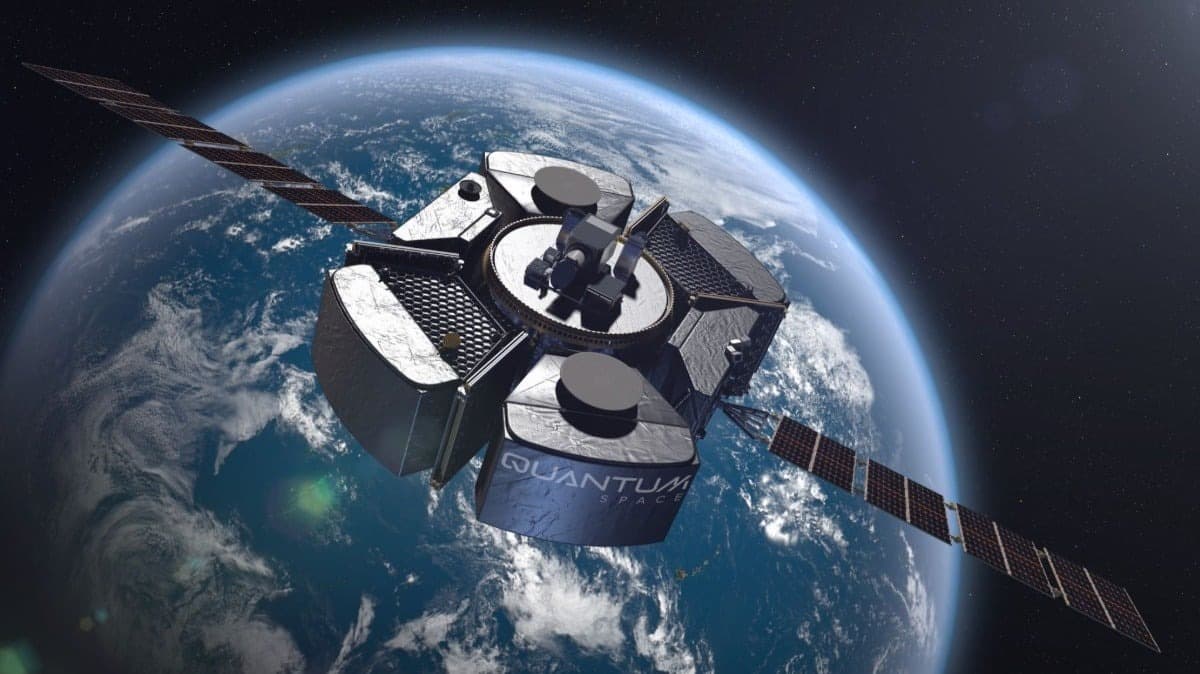
Quantum Space has secured a contract from the U.S. Department of Defense (Pentagon) to develop a demonstration spacecraft designed for orbital refueling. This initiative will create the first orbital “fuel depot” of its kind, capable of refueling operational satellites directly in space.
The project is built on the Ranger platform, a versatile spacecraft from Quantum Space that the company intends to deploy for a range of missions spanning low Earth orbit to geostationary orbit, as well as the region between Earth and the Moon, which is seen as a future hub for active space infrastructure.
Currently, nearly all satellites have a firm operational limit tied to their fuel reserves. Once this fuel is exhausted, the spacecraft can no longer adjust its orbit, avoid collisions with space debris, or shift its position for observational purposes. Even if all other systems are functioning perfectly, the satellite becomes inoperable—a critical issue, particularly for military and reconnaissance assets.
To address this challenge, the U.S. Space Force has been actively funding technologies for satellite life extension and on-orbit refueling in recent years, though the overall research budget remains modest at about $16 million over five years.
Against this backdrop, several companies are developing orbital refueling technologies. Northrop Grumman has landed a $70 million contract to test the Elixir system, which focuses on mastering docking and fuel transfer procedures. Meanwhile, Astroscale is working on its own refueling spacecraft, APS-R, tailored for servicing satellites in geostationary orbit.
Quantum Space takes a different architectural approach: rather than building a dedicated refueling vehicle, the company integrates the refueling capability directly into its versatile Ranger platform. This design allows the same spacecraft to function both as a transport system for various orbital regimes and as an orbital logistics hub.
Jim Bridenstine, former NASA administrator and a key architect of the commercial space program, described the contract as “a step toward building a full-fledged space logistics infrastructure.” He noted that such a system could extend the lifespan of costly satellites and unlock new operational capabilities beyond what current orbital architectures can offer.
Ben Reed, co-founder of Quantum Space and a former NASA employee with over twenty years of experience, including work on servicing the Hubble Space Telescope, asserts that the technology is mature enough to move beyond demonstration projects and toward a complete infrastructure of orbital refueling stations.
At the same time, the company is undergoing a significant transformation: Quantum Space is preparing for a stock exchange listing through a merger with a SPAC, a move that could value it at over $1 billion. The financial model projects considerable losses in the near term, with revenue still in its early stages, and the Ranger platform itself remains under development, having yet to undergo any orbital demonstration missions.
About the Author


