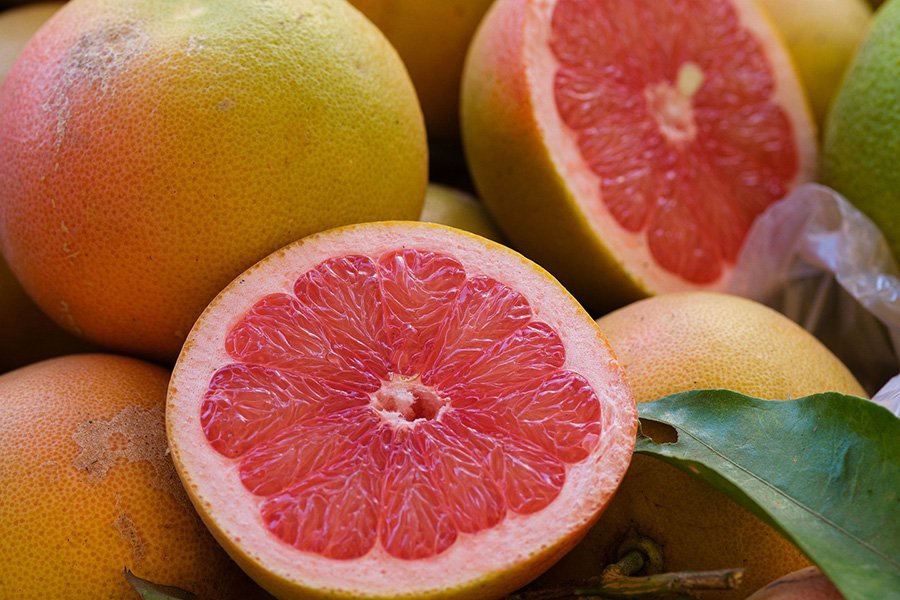
A plant-based compound sourced from bitter oranges and grapefruits may help alleviate non-alcoholic fatty liver disease (NAFLD) by influencing lipid metabolism.
A Chinese research team investigated the therapeutic potential of the plant compound neohesperidin for NAFLD and published encouraging findings in the journal Phytotherapy Research.
Non-alcoholic fatty liver disease is a relatively common condition that can have significant long-term health consequences. Ultimately, fatty liver disease also substantially raises the risk of premature death, as demonstrated by a study conducted last year.
Given the health implications and the global rise in NAFLD cases, the search for novel treatment methods has lately become a major focus of research.
For instance, another Chinese research group recently reported in the journal PharmaNutrition that a combination of traditional Chinese medicine remedies and milk thistle extract could provide tangible benefits for fatty liver disease.
The researchers explored the therapeutic advantages of the plant compound neohesperidin for non-alcoholic fatty liver disease using cell cultures and mice that developed fatty liver disease due to a high-fat diet.
The scientists report that neohesperidin effectively reduced lipid accumulation both in cell cultures and in the livers of the mice.
Neohesperidin directly attached to the amino acid residue PHE248 of the enzyme ECHS1, a key enzyme in the β-oxidation of fatty acids, and inhibited its degradation. This stabilized ECHS1 and promoted lipid breakdown, the researchers explained.
The overall therapeutic effect also depended on the modulation of what is known as the PPARα signaling pathway.
Overall, the study results indicate that the plant compound neohesperidin could play an important role in treating non-alcoholic fatty liver disease, with ECHS1 emerging as a promising therapeutic target.
“This opens up a new strategy for combating non-alcoholic fatty liver disease, which restores lipid homeostasis by specifically influencing protein stability,” the researchers conclude.
About the Author